
Tips for Protecting Your Mental Health During Extreme Summer Heat
While summer can be a busy, fun time of year, and a chance to get outside (especially if you live in a northern climate), we have all experienced the physical discomfort of a sweltering hot day.
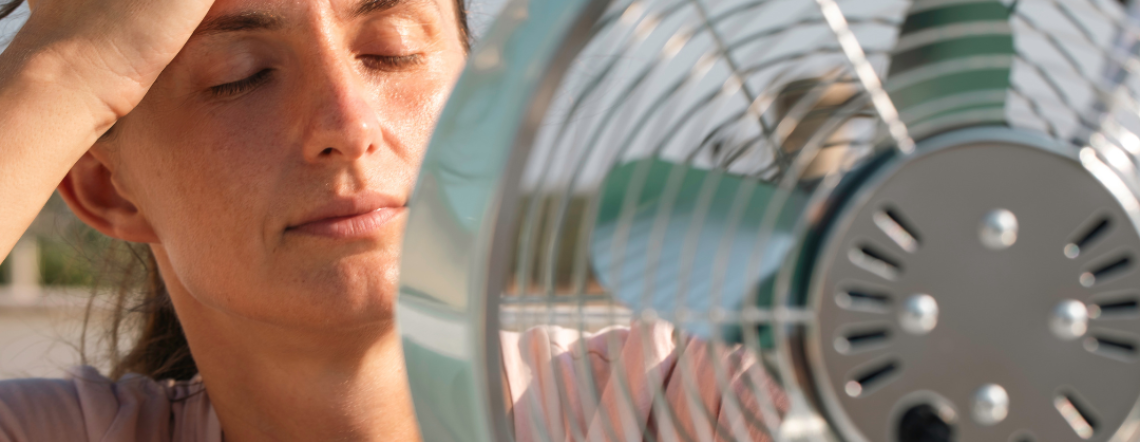
There are plenty of physical symptoms that can happen from prolonged exposure to extreme heat and sunlight, such as heat stroke, heat exhaustion, dehydration, dizziness, and sunburn, extreme heat can negatively impact your mental health as well.
How it affects your mental health
Besides the physical discomfort and dangers of heat, especially when combined with humidity, there can be immediate negative mental health symptoms as well, such as:
- Increased stress and anxiety: High temperatures can elevate stress levels, leading to feelings of anxiety and discomfort. The body’s increased stress response to heat can exacerbate existing mental health issues. For individuals with pre-existing mental health conditions, such as depression, anxiety, or bipolar disorder, extreme heat can worsen symptoms and make managing them more difficult.
- Irritability and mood swings: Heat can make people more irritable and prone to mood swings. This can be due to physical discomfort and disrupted sleep, both of which can negatively affect emotional stability.
- Decreased cognitive function: Excessive heat can impair cognitive functions, such as concentration, memory, and decision-making. This can be particularly challenging for individuals who need to perform tasks that require mental sharpness.
- Sleep disruption: High temperatures can interfere with the ability to fall asleep and stay asleep. Poor sleep quality can lead to increased feelings of anxiety, depression, and overall mental fatigue.
- Social isolation: Extreme heatwaves can discourage outdoor activities and social interactions, especially for high-risk groups that are more vulnerable to heat, like small children or elderly adults, leading to increased feelings of isolation and loneliness, which can further affect mental well-being.
What you can do
While we can’t control the weather, we can take precautions to help with the negative side effects of extreme heat. Addressing these impacts involves a combination of preventive measures, such as staying hydrated, using cooling systems, ensuring adequate rest, and seeking support if mental health symptoms persist or worsen.
- Take precautions: If you are going outside, try going early in the morning or in the evening when the sun has gone down. Drink plenty of water to stay hydrated and try wearing clothing with cooling, breathable fabrics like linen or cotton and protect yourself and loved ones from the sun with hats, sun-protection clothing, and sunscreen. To help cool off, try taking cold showers or filling a bucket with water to put your feet in. Utilize air conditioning and fans if you have it, if you don’t, try shutting your house up during the day, then opening the windows at night and early morning to let in the cooler air.
- Manage your stress levels: Try some deep breathing exercises, or mindfulness practices like yoga, or meditation. Try to stay active as you safely can in the heat
- Limit caffeine and alcohol: Both caffeine and alcohol can make you more dehydrated, which can worsen symptoms.
- Stay connected: It may be tough to socialize when it’s too hot. Reach out to a friend or a family member via call or text or find a cooling activity like swimming or a shaded activity like a picnic, or even seeing a movie in an air-conditioned movie theater.
- Watch for symptoms: If you are a caregiver of a vulnerable, at-risk individual like a small child or an elderly person, pay attention to how they are feeling, especially if you are outside. Make sure you are taking necessary precautions to stay safe while outside in the heat.
Whether you love the summer heat or prefer colder temperatures, weather impacts us all physically and mentally, and it’s crucial to recognize the physical and mental signs if someone is not doing well in either.