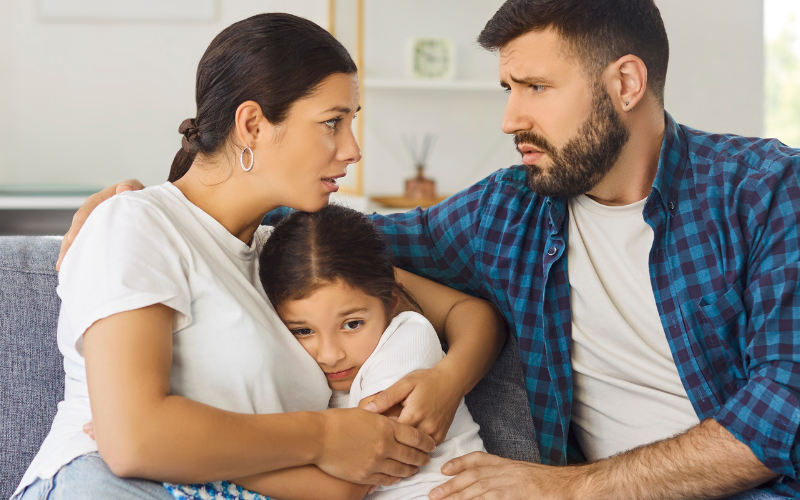


How election stress affects children and how to support them.
As the school year is now in full swing, many kids are dealing with common stressors like new teachers, new schools, new teams, and new friendships. But a new challenge can arise every 4 years, occurring in lunchrooms, hallways and even on the playgrounds in the fall: election season. While every election cycle can bring big feelings, this election in particular is filled with charged emotions, and children are observing and absorbing those feelings from home, the media, and their classmates.
It’s normal for children to hear different opinions during an election. But for kids who are still learning about their own beliefs and values, these disagreements can be difficult to manage and may affect their mental health.
So, how do we help our youth navigate this newly elevated issue and learn how to handle conversations that can become uncomfortable?
The good news is that children already practice dealing with disagreements. Whether it’s arguing over a toy, choosing what game to play, or deciding where to go with friends, kids regularly learn how to work through differences. Caregivers can build on these experiences by teaching respectful communication, healthy boundaries, and acceptance of different viewpoints.
Tips for Caregivers
- Start at home. Children learn from the adults around them. Pay attention to the language you use and how you talk about politics. Explain that people may have different opinions and that political topics can sometimes bring out strong emotions.
- Encourage questions. Invite your child to talk about what they are hearing, what their friends are saying, and how they are feeling. Help them prepare for conversations where they may hear opinions they don’t agree with. Practice respectful ways to respond and role-play difficult situations together.
- Follow their lead. Some children are very interested in politics, while others are not. Consider your child’s age, knowledge, and comfort level. Let them know it is okay to step away from a conversation if they feel upset or don’t want to participate.
- Set age-appropriate boundaries. Young children often repeat what they hear without fully understanding it. It may be helpful to limit political discussions with younger children. Older teens can benefit from learning how to think critically about the information they see and hear.
- Respect differences. As children grow, they explore new ideas and develop their own beliefs. Don’t be surprised if their opinions differ from yours. While it’s okay to share your views, avoid telling them what they must believe.
- Focus on what they can control. Remind children that they can control only their own words and actions. It’s okay to disagree with someone and still treat them with respect. Differences of opinion do not have to end friendships.
- Know the difference between disagreement and bullying. Remind children how to distinguish between differences of opinion and when it is becoming harassment or bullying. Because youth are more sensitive to social status and social influence, we need to help them understand how to tell the difference and reach out for help if needed.
Whether a parent or a youth, when we start to feel anxiety, take some mindful breaths to settle the nervous system. Then ask, “what can I accept about this situation” and “what can I do to feel differently?” The answer will help to change our focus and choice of emotions. Make sure to leave room for discussion with the youth in your care and check-in with them to see how they are feeling throughout the election season.